Adapt the ERP or change the process? How to decide
When a process does not fit the ERP, should you change the software or the habit? Three questions to settle it, and what FlexiERP lets you build around it.

The configuration meeting is going well until the purchasing manager says, “That’s not how we do it here.” His orders are approved by two people, in a set order, on a paper form that has been around for years. The screen on the table has no idea about that path. Two camps form quickly: those who want the software to bend, and those who see a chance to work differently.
Both sides are right some of the time. The hard part is knowing which one, case by case, without deciding on which department pushes hardest.
What a gap is really telling you
A process that does not fit the ERP may come from an outside obligation: the law, a major customer, a certification standard. It may reflect something genuinely particular about the trade, the thing that wins the company its contracts. Or it may be a habit, left over from an old tool, from someone who left long ago, or from an incident everyone has forgotten.
The job is to sort each gap before arguing about the fix. Quite often a step that everyone calls essential turns out to have been compensating for a weakness in the old system: people copied a piece of information because it did not travel on its own. In an ERP where the order is entered once and read by every department, that copying has no purpose left.
Three questions before touching the software
Where does the rule come from? If it follows from the law or from a customer contract, the discussion is short, and the system has to respect it. If the only answer is “we have always done it this way”, it deserves a second look with the people who carry it out every day.
Who benefits? An approval step protects something: cash, quality, a customer relationship. When nobody can say what it protects, it slows everyone down for nothing. On the other hand, a rule that prevents a costly mistake on the shop floor holds up well, even if it looks heavy from the office.
Who will maintain it? An adaptation is not done once and forgotten. It has to be tested when other things change, explained to new staff and written down. A rule that nobody will want to own in two years is often one to drop today.
Very often the answer lies in between: the process changes a little and the system is configured a little. Those two signatures, for instance, become a threshold approval path in the application. Below a set amount the order goes through; above it, the order waits for the right person. The paper form goes away and the control stays.
E-invoicing, a rule that is not up for debate
Some rules come from outside and have nothing to do with habit. The details a Moroccan invoice must carry are one example: the seller’s and buyer’s ICE, IF, RC, patente, VAT shown separately and a continuous numbering series. The electronic invoicing announced by the DGI, pending its decree, goes further, since each invoice would be checked by the administration’s platform before it reaches the customer. Here the adapt-or-change question does not arise, because the system follows the rule. In FlexiERP this information already sits on the company record, the customer record and the invoice, which is numbered in series. FlexiGlob sets up the connection with the tax platform as part of the deployment, once the format is published.
What FlexiERP lets you build around the core
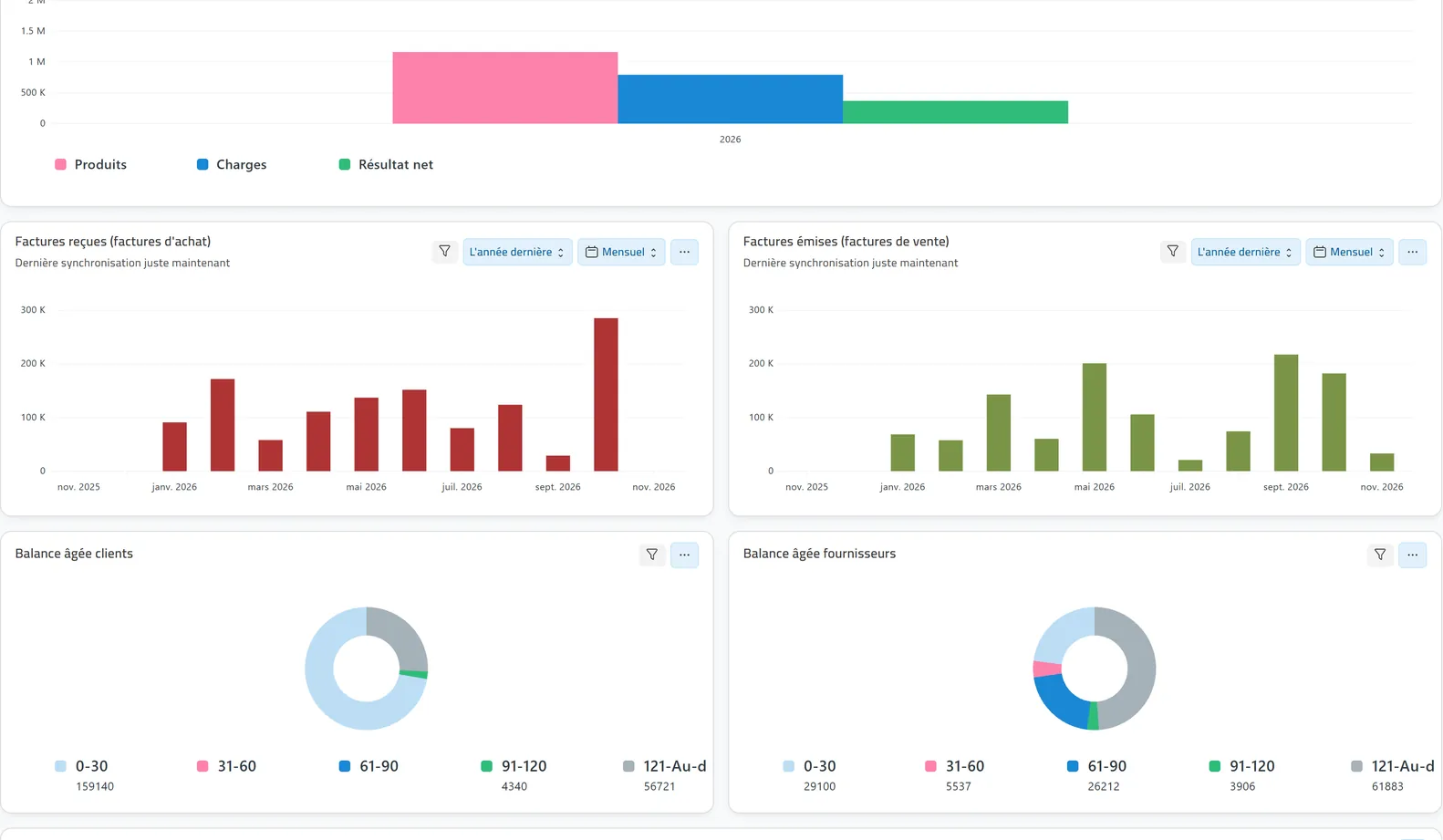
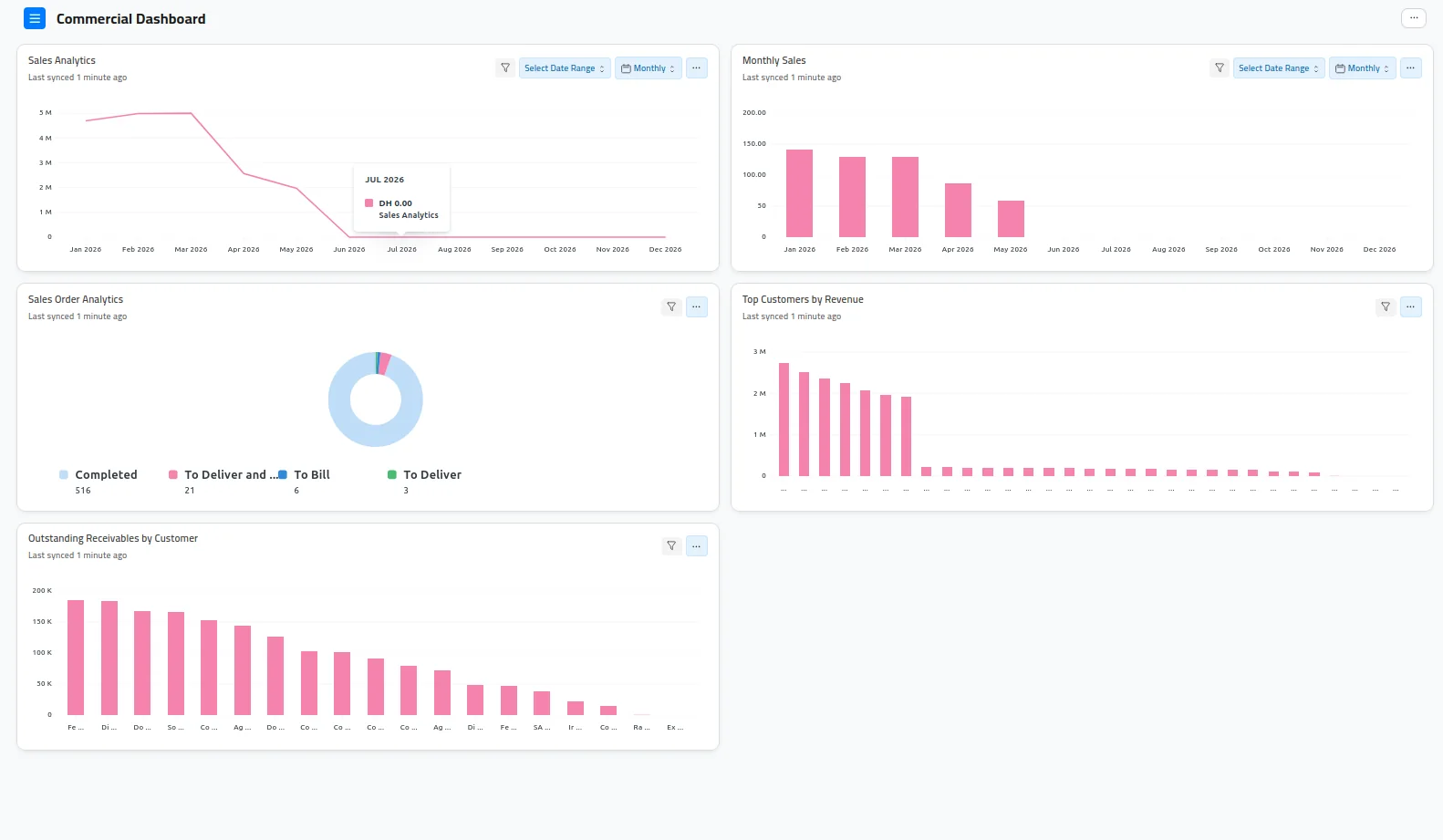
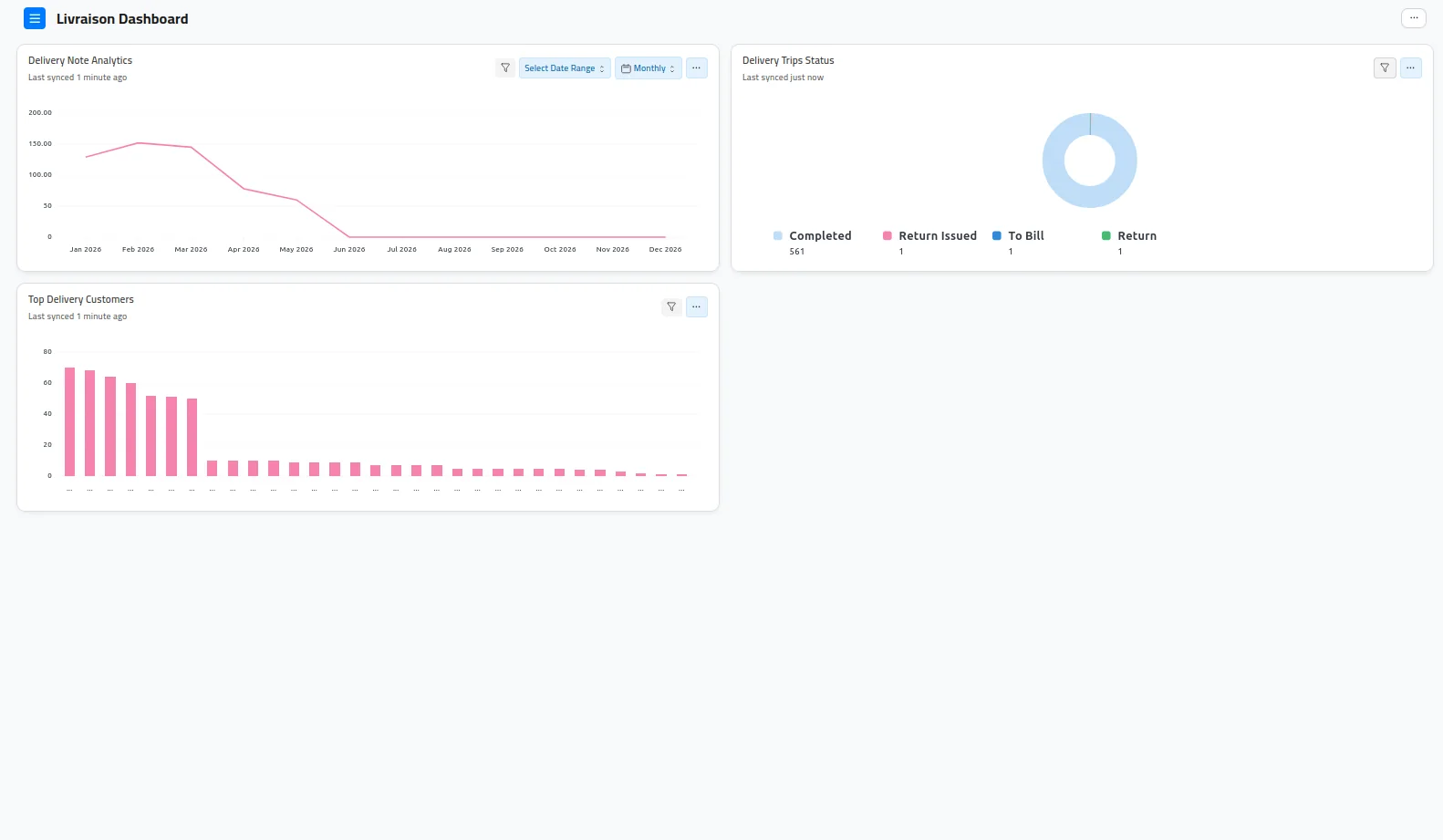
FlexiERP is not delivered as standard software that you have to accept as it comes. FlexiGlob starts from a complete core (sales, purchasing, stock, production, quality, accounting, payroll and HR) and builds around it what belongs to your company alone: custom extensions for your rules, documents and calculations, dashboards for each manager, and access fitted to each job with the approval paths you decide.
These calls are made during the project, before anything is built. The workshops with each department bring the gaps to the surface, including the rules that only ever lived in someone’s head. Then comes consolidation with management, and the validation of the processes, which is where each gap is settled: what becomes an extension, and what changes in the way people work. Management decides with the whole picture in view, not only the request of the department that speaks loudest.