When a customer changes an order already in production
The order changes after the workshop has started: materials, cost, lead time, invoice. How FlexiERP keeps a record of the change and recalculates the margin.
The work order has been running since Friday. On Tuesday morning the customer calls the salesperson: they would like a different finish, and a few more pieces while they are at it. The salesperson agrees, jots the change on a notepad and tells the workshop supervisor in the corridor. In the system, the order has not moved. So the warehouse prepares the old version, accounting invoices the old quantity, and three weeks later the customer disputes the invoice.
A change halfway through is nothing unusual. It gets expensive when nobody knows any more which version of the order is the real one.
What a change really costs
Materials are the most visible cost. Some are already reserved, some already consumed, and a few components may be on order from a supplier. Then there is the work already done, which sometimes has to be redone, and the slot in the schedule: an order that grows pushes the next ones back.
Then comes the price. Does the extra agreed on the phone cover the new finish, the additional hours, the materials left on the shelf? Often nobody runs the numbers again before saying yes, and the margin comes out at the end, if it comes out at all.
Changing the order without erasing the old one
In FlexiERP a submitted document is official and frozen. It is never deleted: it is cancelled, its effects are reversed and the record stays visible. So the sales order is not quietly rewritten. It is cancelled and amended, and the new version carries the reason for the change. If it goes above the threshold the company has set, or the discount becomes too large, it goes back through the approval path.
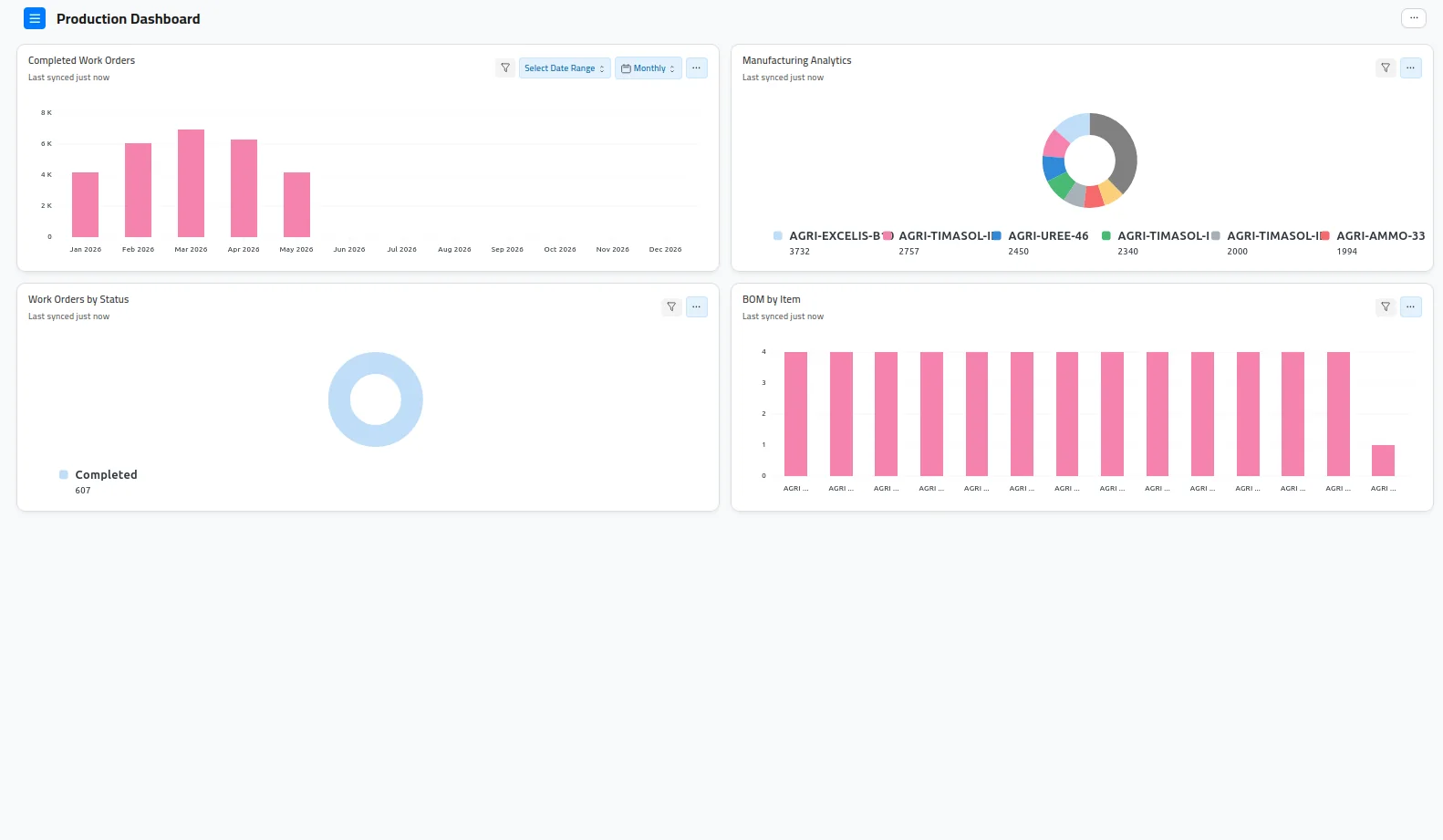
The work order tells you where the workshop stands. When it has not started, its materials are already reserved and its job cards created; cancelled at that stage, the reservations are released and the entries reversed. Once it is in progress, the job cards show what has been done: actual times, material consumed by batch, scrapped pieces with the reason. Whether to stop, rework or finish is decided on those figures rather than on someone’s memory.
Materials, bill of materials and cost recalculated
A different finish often means a different bill of materials. The comparison tool puts the two versions side by side, with components added or removed, quantity differences and cost differences, before anything is launched. The old version is kept, deactivated, so earlier work orders stay traceable.
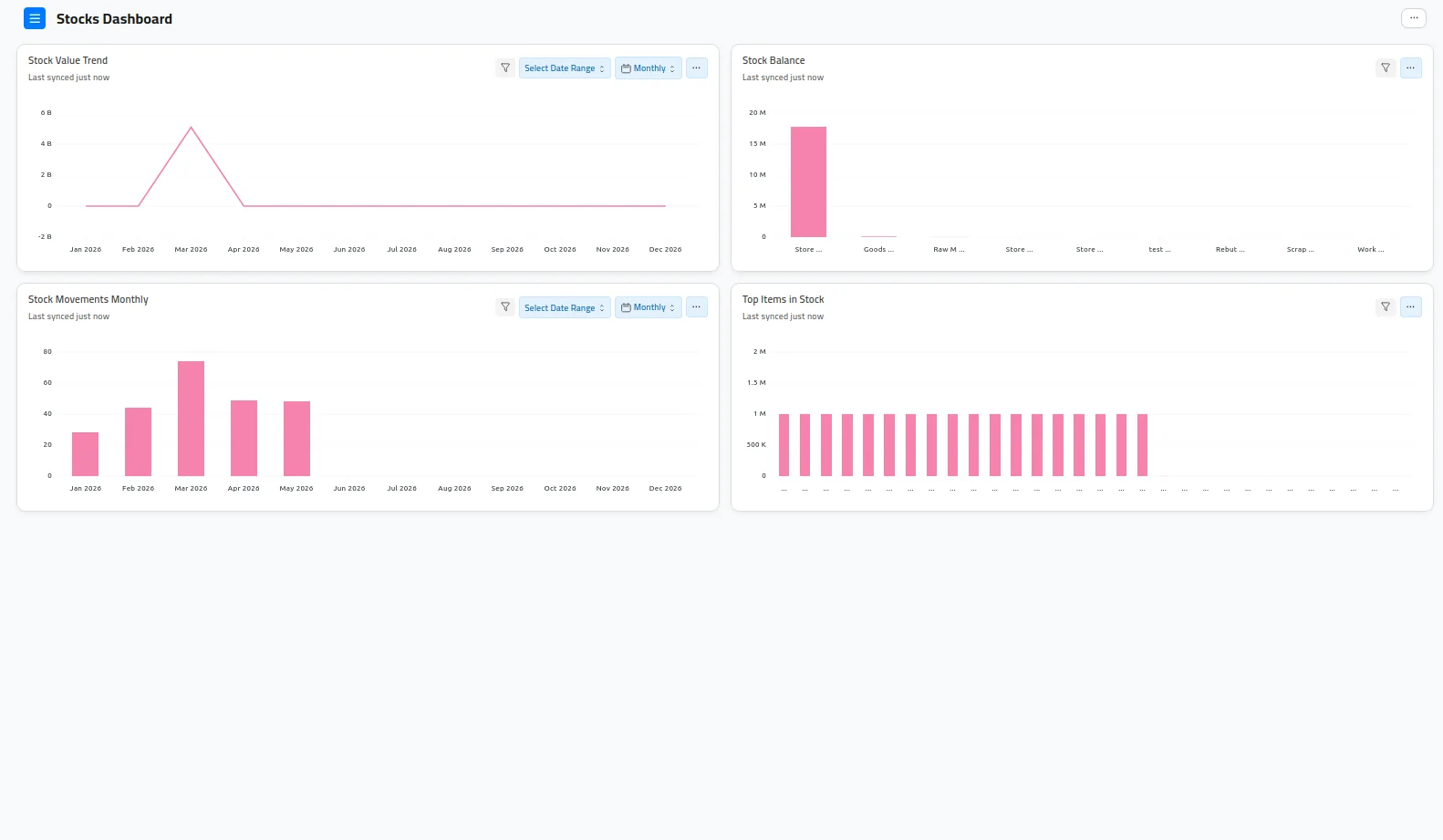
On the stock side, each item shows its available, reserved and projected quantity, and a shortage raises a purchase request. A supplier order that has already been submitted is not cancelled: it is closed if nothing has been delivered, or followed by a return after a partial receipt.
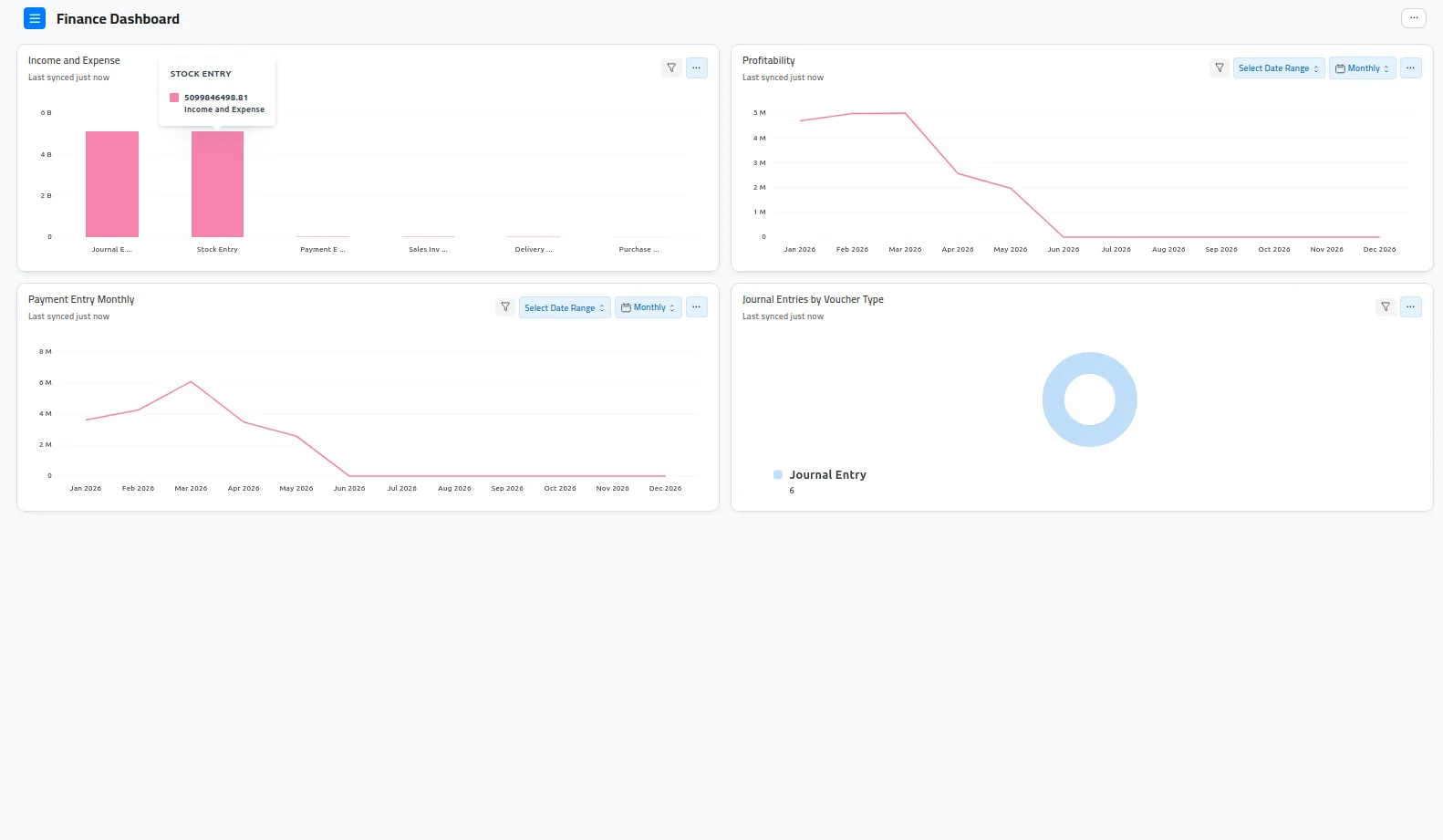
Cost price and margin appear on sales documents. The salesperson sees what the new price leaves before confirming it to the customer, and work order tracking compares planned cost with actual cost once the job is done.
The invoice follows what was delivered
The delivery note starts from the amended order, and the invoice is created from the delivery note, with the quantity actually shipped. The order shows the percentage delivered and the percentage invoiced. If an invoice has already gone out on the old version, a credit note corrects it, and the change stays on record.
This is also what the electronic invoicing announced by the DGI, pending its decree, will ask for: every invoice would be checked by the tax platform before it reaches the customer, and the calendar will be set by the decree. An invoice that does not match the delivery then turns into a correction, or a dispute. Drawn from the delivery, with the customer’s ICE, VAT applied from the tax template and a number in its series, it leaves clean. FlexiERP keeps that data structured and complete, and FlexiGlob sets up the connection with the tax platform as part of the deployment, once the format is published.
Customers will keep calling on Tuesday mornings. The difference is that the change now lands in the order itself, where the workshop, the warehouse and accounting all read it.