After ERP go-live: what to watch in the first weeks
The weeks after go-live show whether an ERP really takes hold. The signs to watch, from side spreadsheets to corrected invoices, and FlexiGlob's follow-up.
Go-live Monday went fine. The first orders are in, invoices are going out, and nobody has phoned in a panic. Three weeks later the finance director notices that one salesperson is still sending him a summary in a spreadsheet, “just to be sure”. The storekeeper writes urgent stock issues in a notebook and enters them in the evening, when he remembers. None of it looks serious. Yet this is how a new ERP quietly loses the trust of the people using it, and turns into one more piece of software that someone has to keep fed.
The files that live on beside the system
The first sign is whatever still happens outside it. A side spreadsheet, a paper slip, a price list kept on one computer. Each has a reason, and the reason is worth knowing: a screen too long for a simple task, a piece of information nobody can find, a check that does not yet trust the figures.
The right move is to ask why, without blame.
Late entries and stock gaps
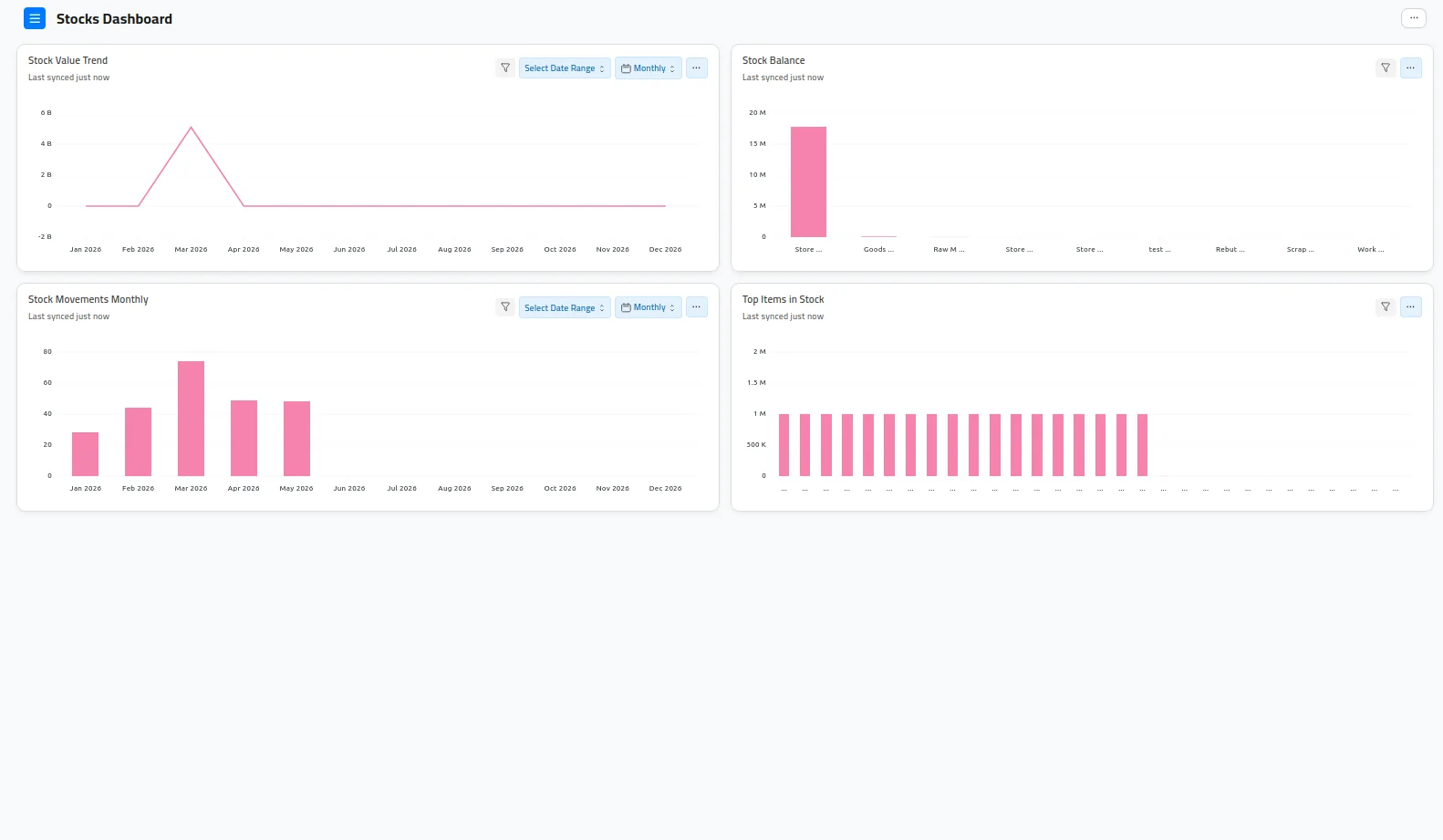
The second sign is the lag between the floor and the screen. A delivery that left in the morning and is recorded the next day makes the stock wrong for a day, and its invoice goes out late. FlexiERP shows the percentage delivered and the percentage invoiced on every sales order. A growing list of orders delivered but not yet invoiced usually points to an entry that is dragging somewhere.
Stock deserves a control count on a few important items. The stock reconciliation tool compares the counted quantity with the system’s, calculates the gap and posts the matching entry. A one-off gap looks like a typing error. Gaps that keep coming back on the same items point instead to a path that still goes around the application.
Corrected invoices and approvals left waiting
The third sign is corrections. A wrong invoice is corrected with a credit note, and the audit trail keeps who changed what, and when. Reading the reasons behind the first weeks’ credit notes teaches a lot: an ICE missing from several customer records, the wrong tax template, a price still at its old value. Each cause is fixed once, at the source.
These corrections will matter more with the electronic invoicing announced by the DGI, pending its decree. The announced model has each invoice checked by the administration’s platform before it reaches the customer, so what is caught today with a credit note would become an invoice stopped at that check. The first weeks are the right time to complete customer records and check numbering series and the VAT applied by tax templates. FlexiERP keeps that data structured and complete, and FlexiGlob sets up the connection with the tax platform as part of the deployment, once the format is published.
Then there are approvals. A threshold approval path that looked sensible on paper can turn into a queue in practice. The list of documents awaiting approval shows where things are stuck: a threshold set too low, an approver who is often away, one level too many. The threshold is adjusted in the application.
The dashboard management actually opens
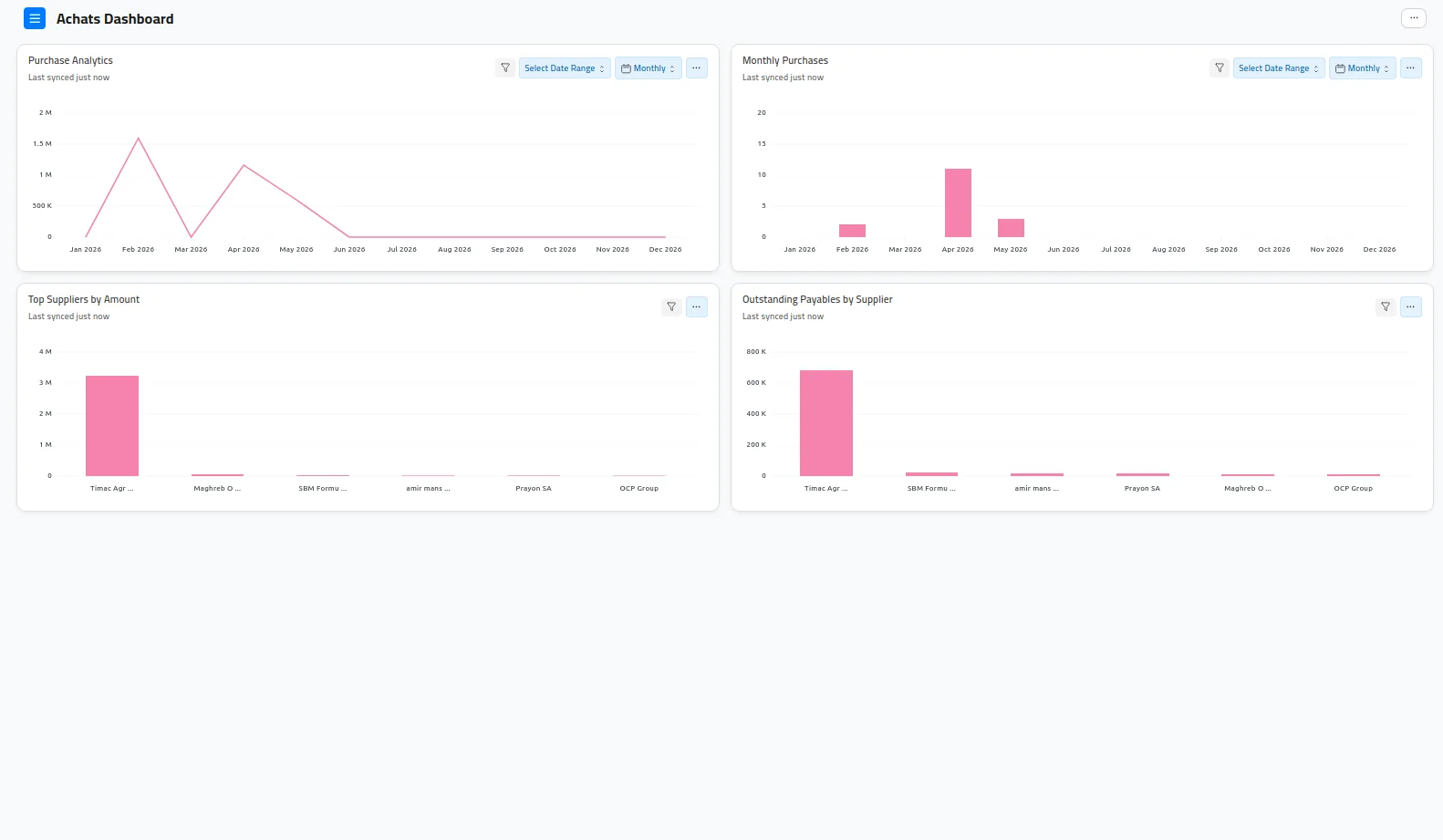
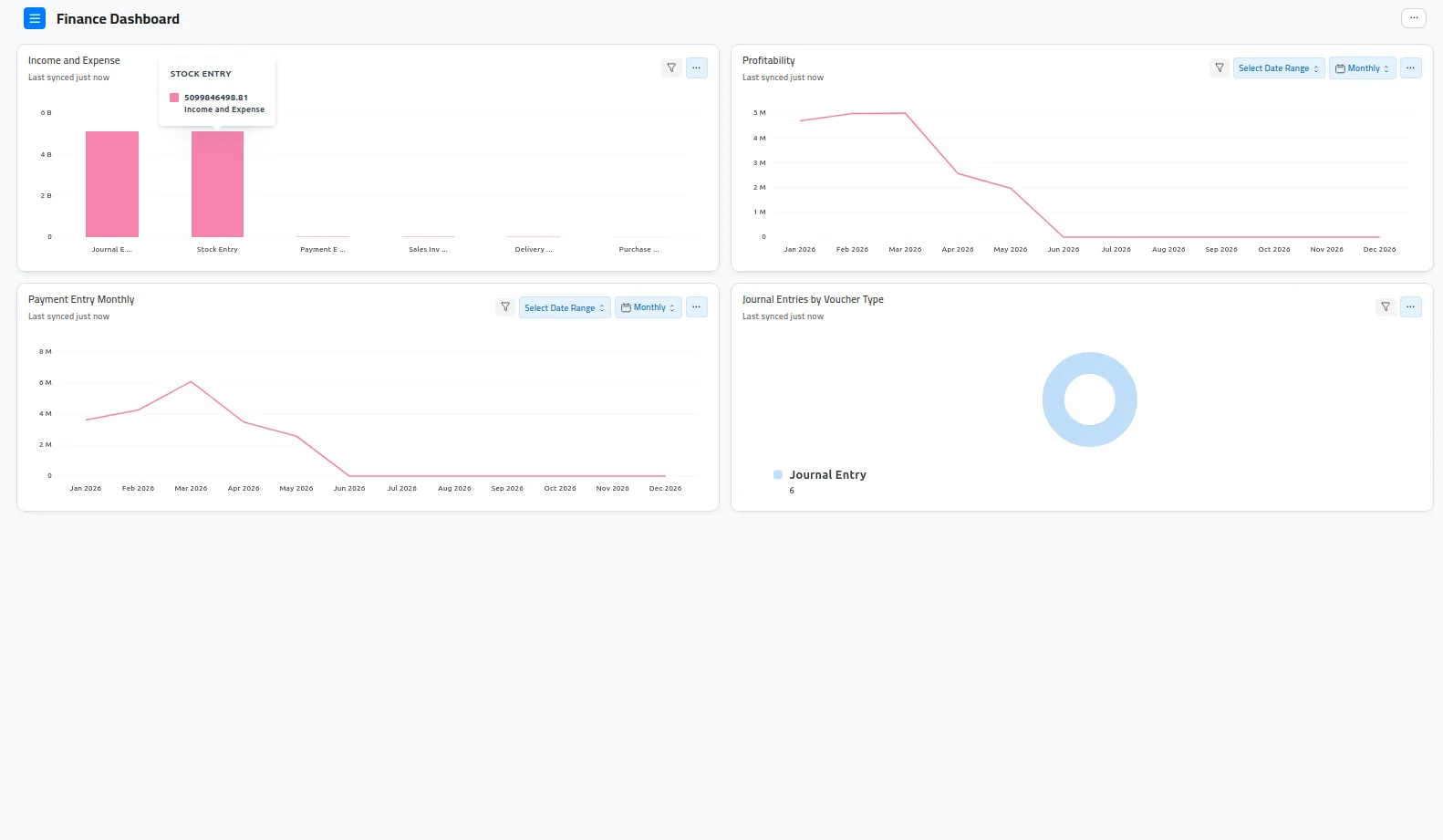
The most telling sign is often the simplest: does management look at its dashboards? A director who keeps calling the accountant for the month’s figure either does not trust the numbers yet or cannot find what he needs on screen. Both can be fixed. Alerts work the same way: an alert nobody acts on should be removed or set differently, otherwise the others end up ignored too.
What FlexiGlob does after go-live
In FlexiGlob’s approach the deployment is progressive, and two stages follow go-live: operational support and post-deployment follow-up. Support then carries on with no end date, covering how the system is used, technical support and business support, from the team that designed and deployed it.
The signs above go back to that team. A spreadsheet that survives becomes something to resolve: training, a setting, sometimes a quick app that gives a simple screen for an everyday task. A rule missed in the workshops can become an extension built around the core.
This follow-up does not replace the company’s own commitment. Someone inside has to look at these signs every week and decide what comes first, working with people who know both the application and your processes.