What to check before choosing an ERP in Morocco
Module lists look alike from one ERP to the next. The questions a Moroccan SME should ask about local rules, its factory, who stays after go-live and more.
After a few presentations, the ERPs start to look alike. Every vendor shows sales, purchasing, stock and accounting, usually with a tidy dashboard. You come out with a list of modules that could describe anyone, and little idea of how any of it would behave in your own workshop on an ordinary day.
Module lists are a poor way to decide. A short set of direct questions tells you more. Here are the ones we would ask, with FlexiERP’s answers next to them so you can test them too.
Is Morocco ready at the start, or adapted later?
Many systems can be made to handle a given country. What matters to a finance director is how much of that is already done when the project begins, because local adaptation done late tends to come back as cost and delay.
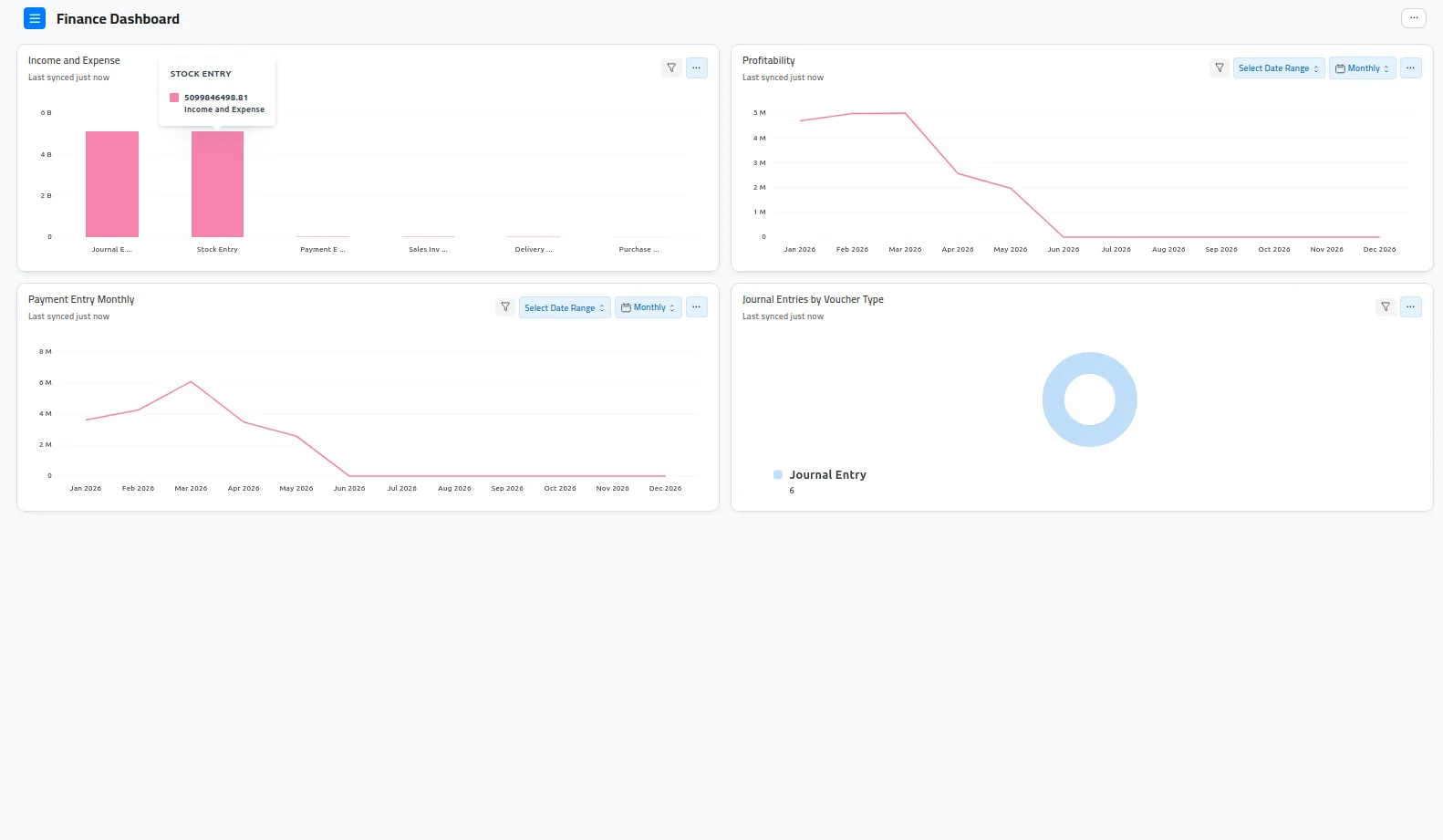
Ask for specifics: the chart of accounts, VAT, amounts in dirhams, payroll. In FlexiERP, Morocco is ready out of the box with the Moroccan chart of accounts (PCGE), VAT, dirhams and payroll with CNSS. The chart of accounts, taxes, currency and fiscal year are set for the company at setup.
Ask about language as well. If your people work in Arabic, check that the screens come in Arabic and read properly from right to left. FlexiERP comes in French, Arabic and English.
Does it understand a factory, or only a shop?
An industrial SME should go straight to its hardest case. Take a real product with several levels of components and ask to see how it is followed from the bill of materials to the finished goods. Ask how a cost price is built, and what happens to a batch that fails inspection.
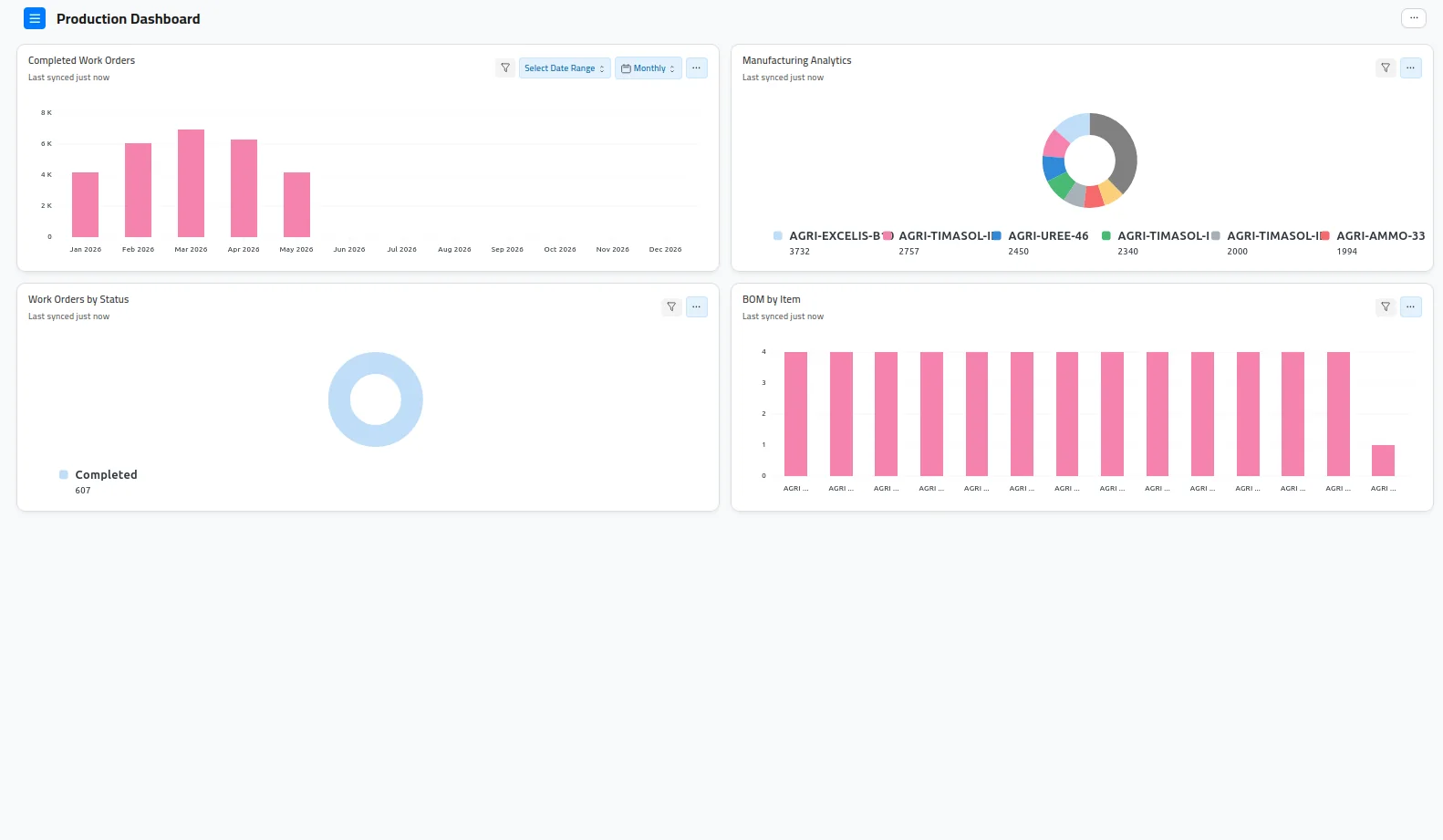
FlexiERP covers bills of materials on several levels, work orders, workstations and routings, with production to order, to stock, planned or subcontracted. Cost price is calculated from materials, labour and overheads. Quality inspections and non-conformities are in the same application, and scrap is qualified and traced.
Who adapts it, and who learns your business first?
The fear behind this question is well founded: being asked to change how you work so that the software can stay as it is. Ask who will come to your sites, who will sit with your departments, and at what point management validates the processes.
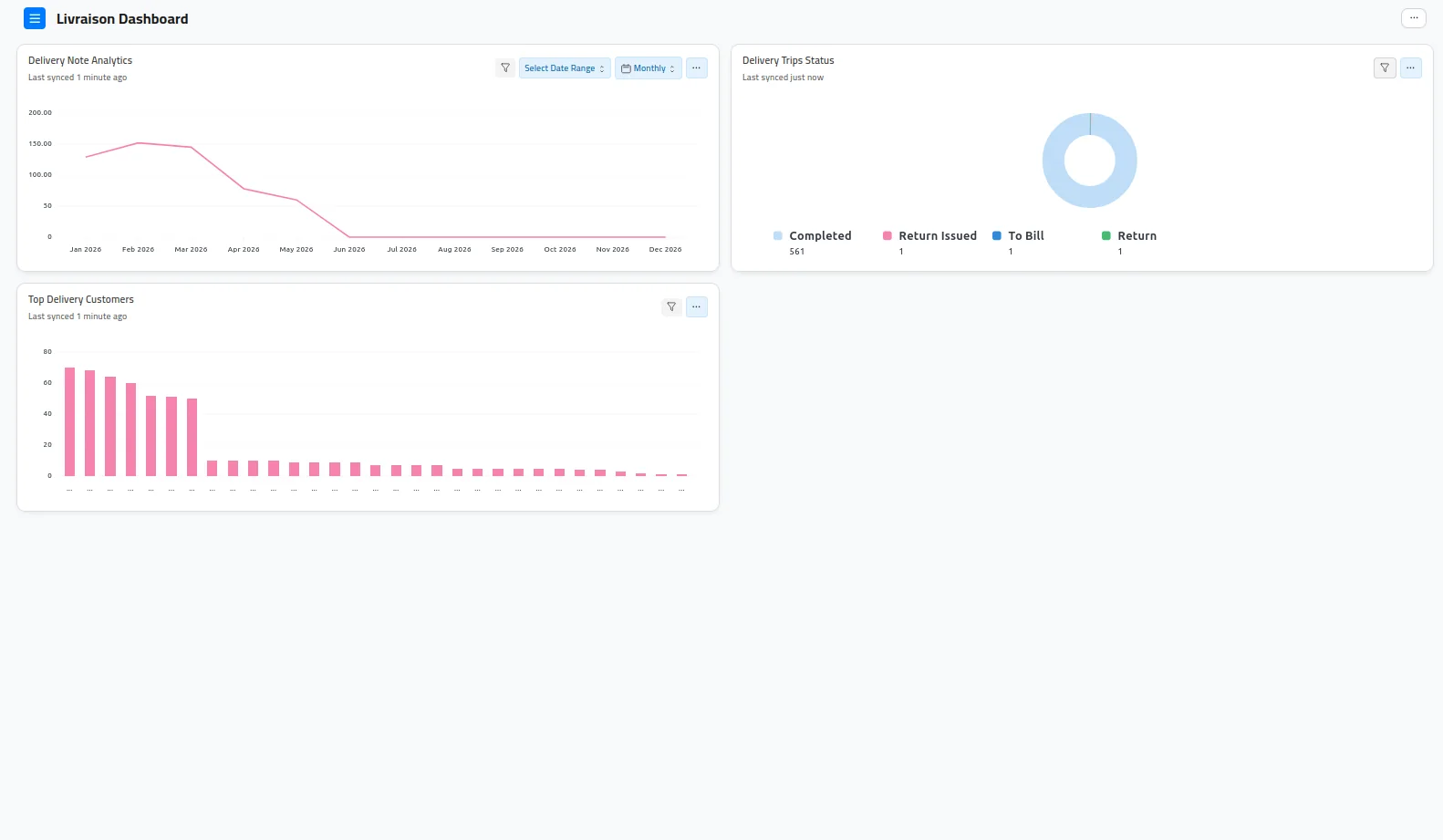
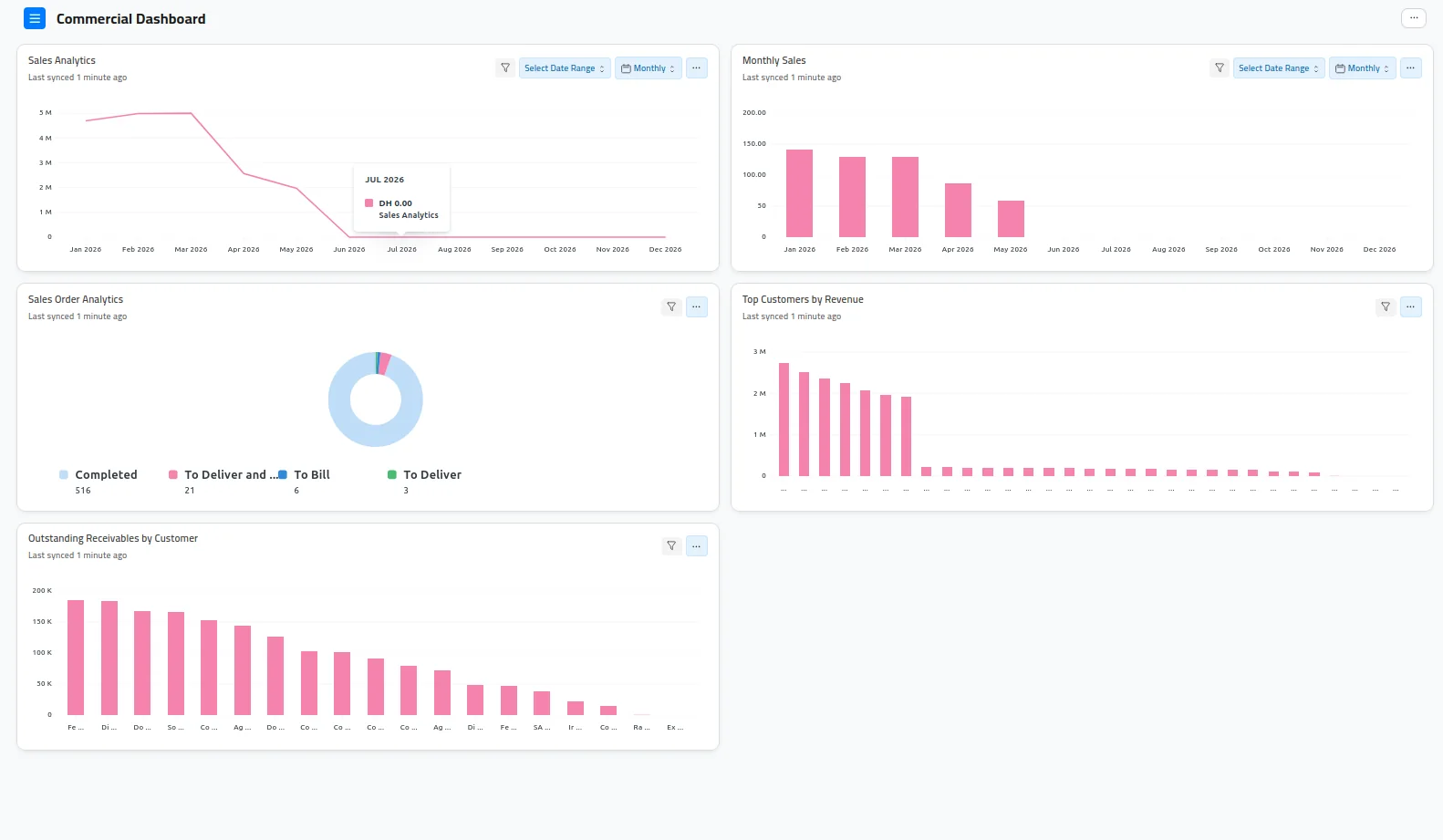
FlexiERP is not delivered as standard software. The work starts from a complete ERP base, with sessions with your teams, visits to your sites and workshops with every department. Then comes what belongs to your company alone: custom extensions for your rules, documents and calculations, dashboards built for each manager, quick apps for everyday tasks, and access fitted to each job.
Who is still there after go-live?
Plenty of projects lose momentum on the day they go live, which is also the day real questions begin. Ask who answers when an operator is stuck, and whether that person knows your trade or only the software. Ask whether support has an end date.
With FlexiERP, the team that builds and deploys it also trains your people, and after going live follow-up, technical support and business support continue with no end date. FlexiGlob, the company that makes it, provides all of this itself.
What will you own, and what can the machines reach?
A few questions tend to come up too late. Is there a licence to pay every year? FlexiERP has no annual licence: the company owns it. Does anything have to be installed? FlexiERP runs in a web browser, on a computer, a tablet or a phone, and a hosted edition, FlexiERP Cloud, is the same application.
Control belongs on the list too. Ask to see how roles are set, how approvals work by threshold, and whether every change leaves a trace. FlexiERP has all three.
Ask finally what a vendor means by AI. Plenty of tools add an assistant on top of the product. FlexiERP calls itself an iERP because every order, invoice and customer can be reached through a clean, permissioned interface, so an AI agent works on the real data with the same access rights as your staff.