How to start an ERP without stopping operations
Orders must still ship while an ERP project runs. How FlexiERP's nine-step path learns your work first, tests with your people and stays after go-live.
Customers will not wait while you change systems. Orders still have to leave, the workshop has its plan, and the people you would need most for the project are the ones you can least spare. So the ERP gets postponed, usually with the same sentence: not now, we are too busy. The busy season ends, another one begins, and the spreadsheets stay.
That caution is reasonable. Anyone who has lived through a rushed go-live remembers it, and a director is right to ask what the project will take from the daily work. The useful answer lies in the order of events: what happens first, who is involved at each moment, and what has been tested before anything changes.
Understanding comes first, and it changes nothing yet
A project with FlexiERP follows one structured path in nine steps, and the first five change nothing in how you work. Their purpose is to learn it:
- Getting to know you: sessions to meet your people and understand your internal processes in detail, with respect for your business.
- Visiting your sites, to see how the work is really done.
- Workshops with every department, on the details still missing.
- Consolidation: everything learned is brought together and presented to management.
- Validation of the processes, after which the team knows exactly which ERP to prepare.
These steps do take time from your people, and it would be dishonest to say otherwise. They are also what keeps the later steps from becoming a surprise. A system set up around your real processes has less to correct once it is in use.
Your people try it before you depend on it
Next comes the build, which is two steps.
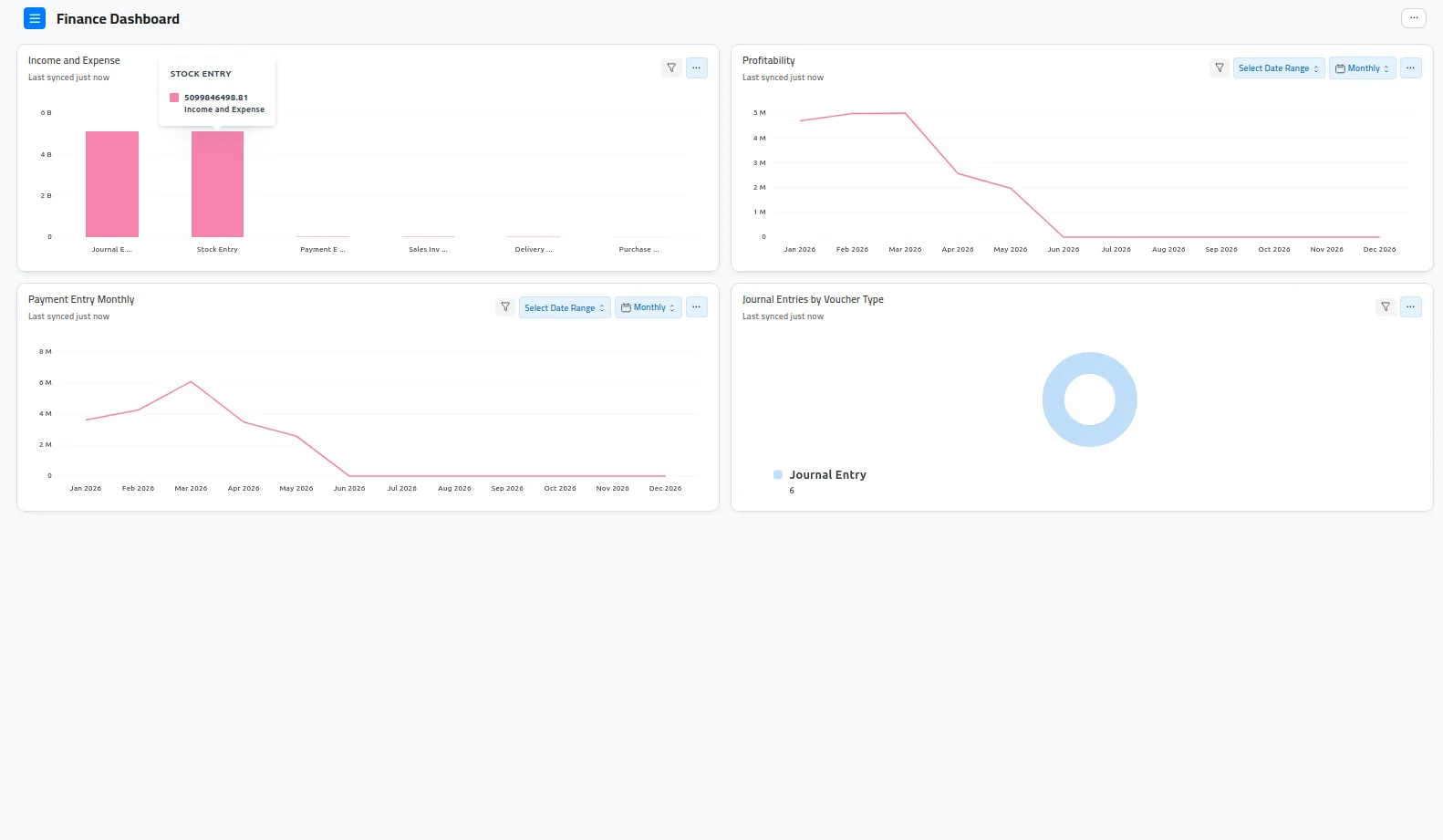
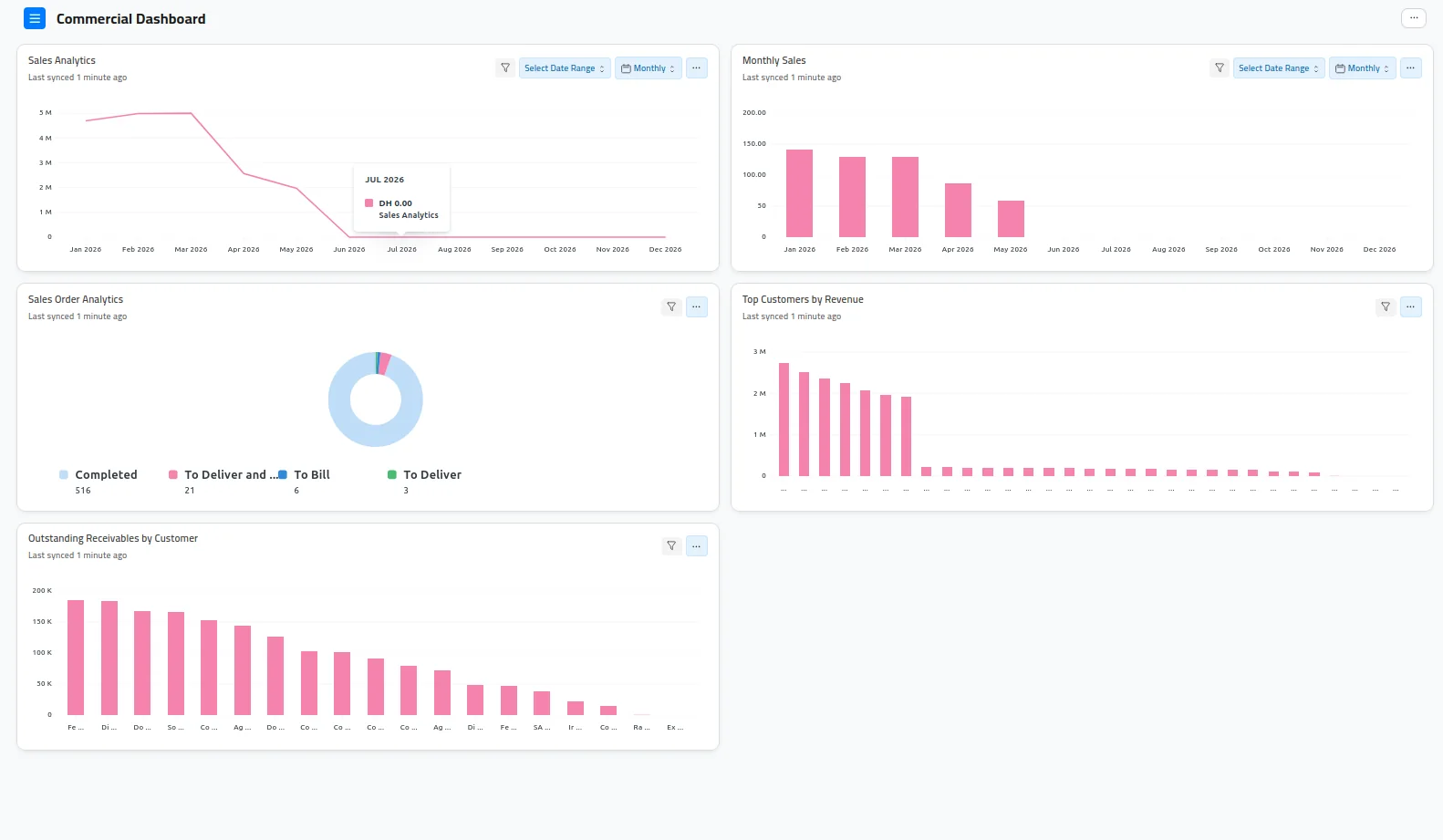
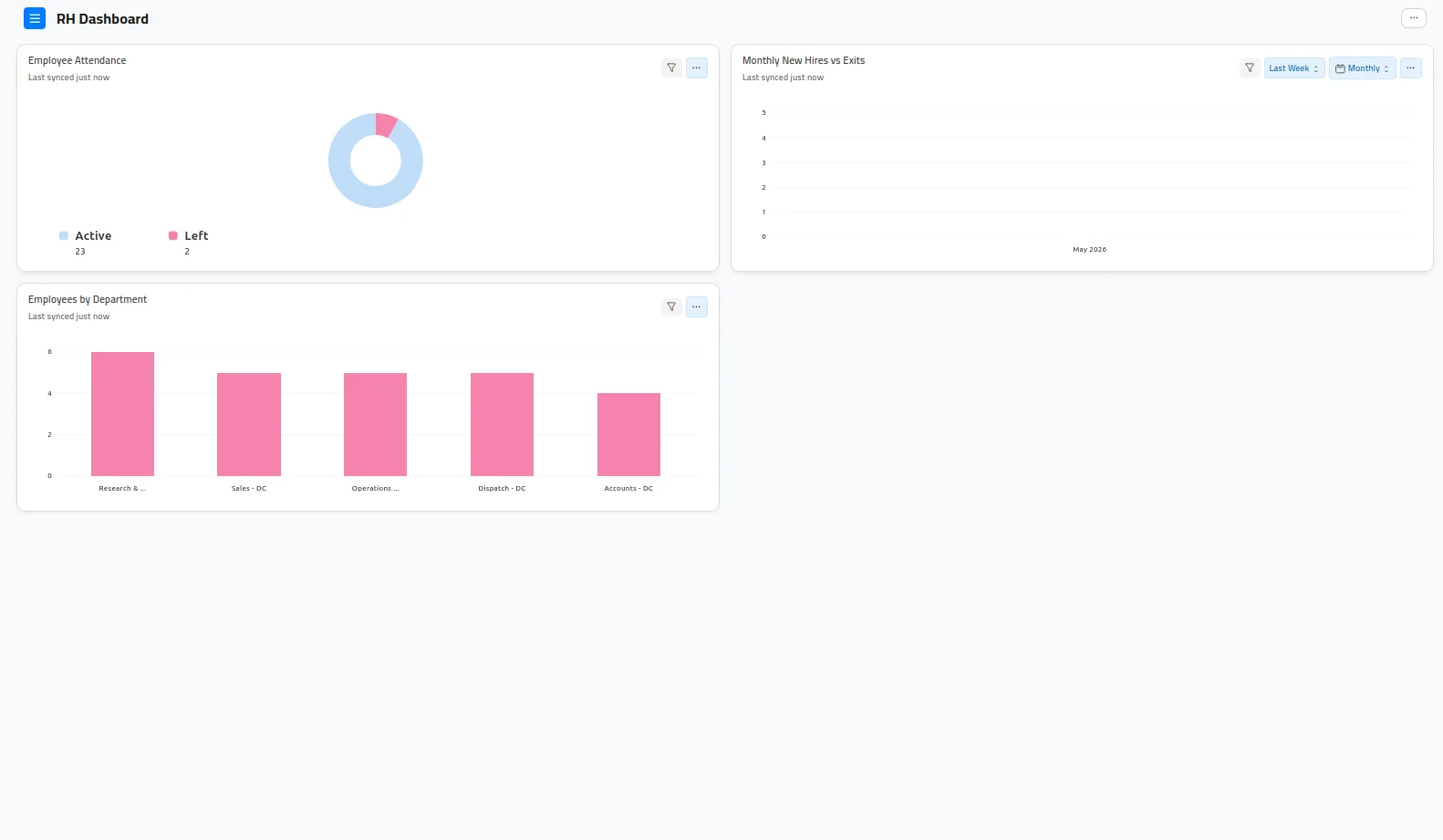
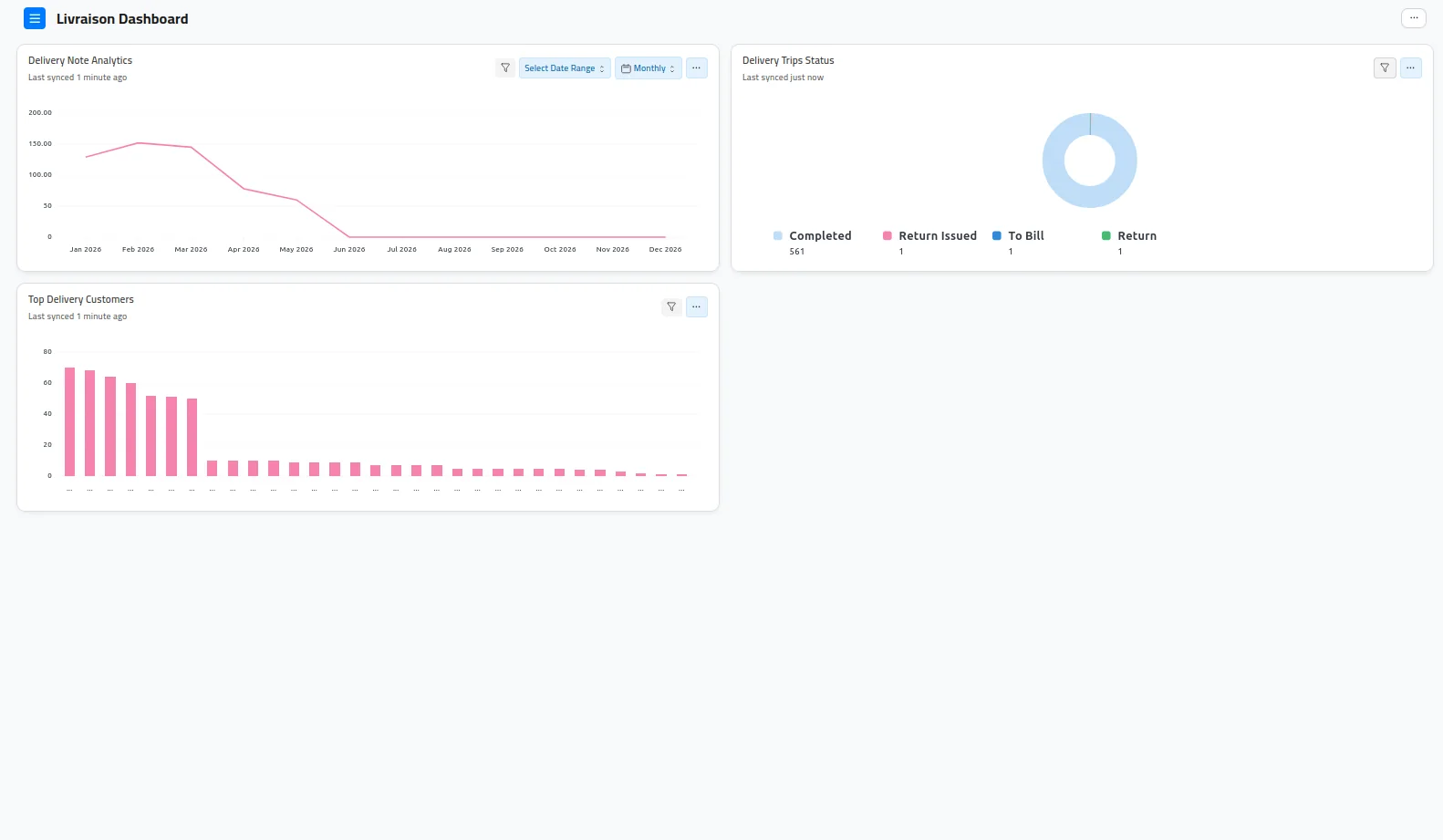
In step 6 the ERP is prepared: the complete base, plus what your trade needs, meaning extensions, dashboards, simplified access and quick apps for everyday tasks. Your data also has to be put in order at this stage, since an ERP loaded with messy item lists and duplicate customers starts with the same problems as the old files.
Step 7 is acceptance testing. You try your ERP before adopting it, and the people who will use it get trained. For an operations director this is the step to take seriously. Testing with real cases, by the operators who will face them, is where a gap is cheapest to find, because the old way of working is still in place around it.
Deployment itself is progressive, as is the configuration before it. The company is not asked to change everything at once on a single morning.
Going live, and the people who stay
Step 8 is going live: your company officially works in FlexiERP. Step 9 has no end date. Follow-up of use, technical support and business support continue afterwards, from the same team that designed and deployed it.
This last step matters because the first weeks in a new system bring questions no training covers. An operator finds an unusual case, a supervisor wants a screen arranged differently, a manager wants another indicator. Having someone who knows both the application and your processes keeps people from going back to their old files.
How long does all this take?
Every director asks, and you will not find a duration in this article. The honest answer depends on your number of sites, the state of your data, how much has to be built around the base and how much time your teams can give. A figure given before anyone has visited your workshop would mean very little.
What you can ask for early on is a clear picture of the path, and who is needed at each step. The path is built to international standards that prepare your certifications, and it keeps your teams informed of what is coming next. That lets a head of operations plan around the busy periods.