What one shared record changes for stock and finance
When stock and accounting keep separate books, nobody can say what the goods are worth. What a single record changes for valuation, invoices and margin.
The finance director asks what the stock is worth. The storekeeper’s file gives quantities, and some of them were updated this morning. Accounting has a value, based on the last figures it received. The two rarely match, and closing the gap usually means someone walking the aisles with a clipboard and a lot of patience.
The question sounds simple. It is hard in many companies because stock and finance look at the same goods through different tools.
Two departments, two versions of the same goods
The warehouse thinks in quantities and locations. Finance thinks in value and dates. When each one keeps its own records, every goods movement has to travel from one to the other: a delivery note on paper, an email, a summary at the end of the week. Whatever is in transit between the two is known to one side only.
The consequences reach well beyond the closing. A salesperson promises goods that the file shows but the shelf no longer has. A buyer reorders something sitting in another warehouse. And a sale’s margin gets worked out long after the sale, if anyone works it out at all, because the selling price lives in one file and the cost in another.
What stock gets from one record
In FlexiERP the warehouse works from the same record as everyone else. The storekeeper prepares the delivery note from the sales order and the stock movement records itself, so nobody has to report it afterwards.
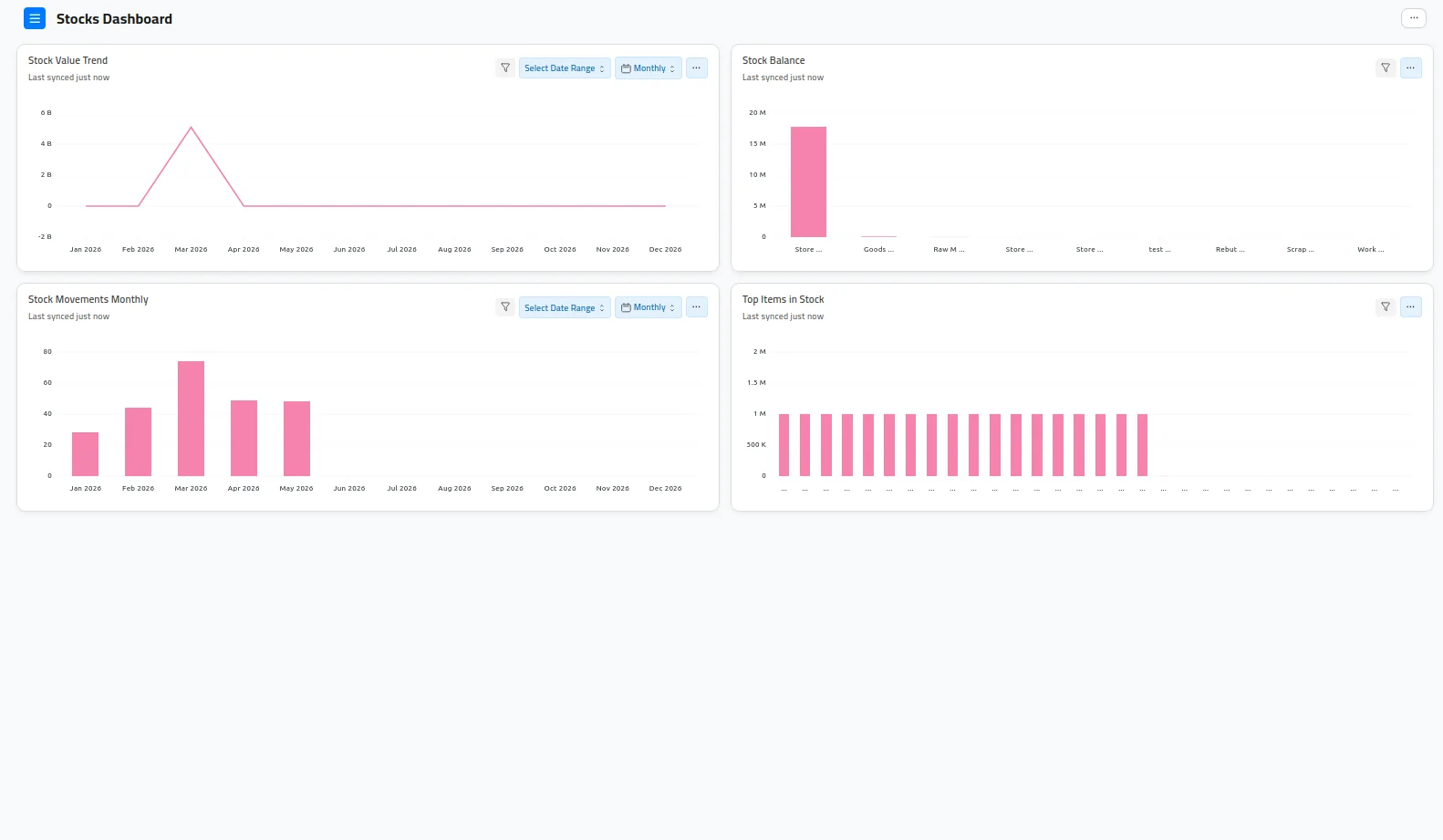
For an industrial company with raw materials, finished goods and goods in transit, the site structure matters. The application follows several warehouses and sites, and every transfer between sites is traced. The stock dashboard shows the value held per site, the movements, and the items below their threshold. Partial deliveries and pickups go through the same delivery process, so a shipment split in parts stays attached to its order.
A shared record does not replace counting. Goods get damaged and people miscount, so a physical check keeps its place. What changes is the starting point, since the count is compared with one figure and not several.
What finance gets from the same record
Valuation stops being a separate exercise. Stock is valued by FIFO or moving average, and the value comes from the movements the warehouse has already recorded.
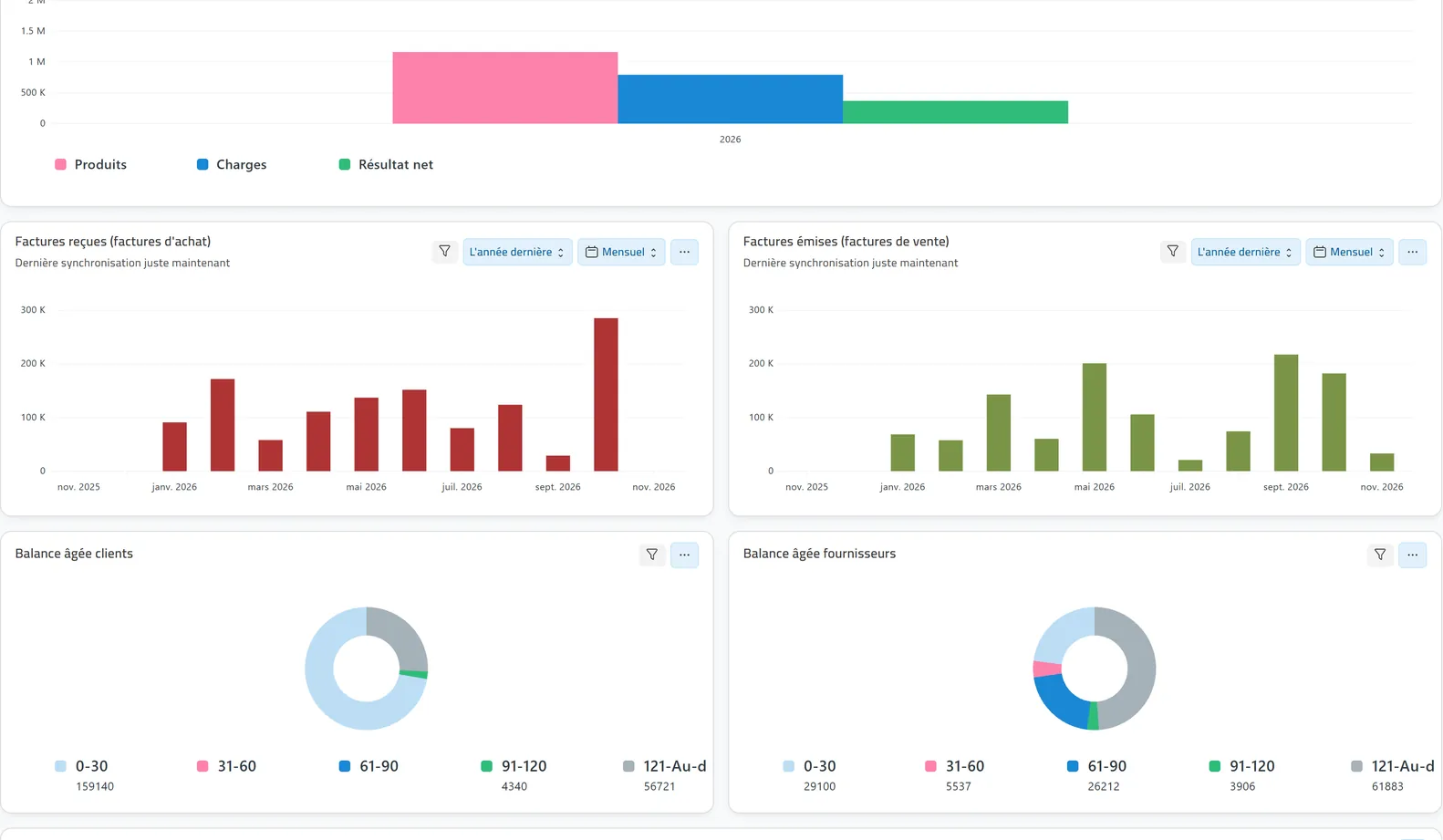
Invoicing follows the goods. The invoice comes from the delivery note and the accounting entry is posted with it, so the accountant checks what was prepared and has no sale to retype. Payments, due dates and unpaid invoices are in the same application, along with bank reconciliation and several currencies. The finance dashboard reads income and expenses, payments, due dates and profitability from that data.
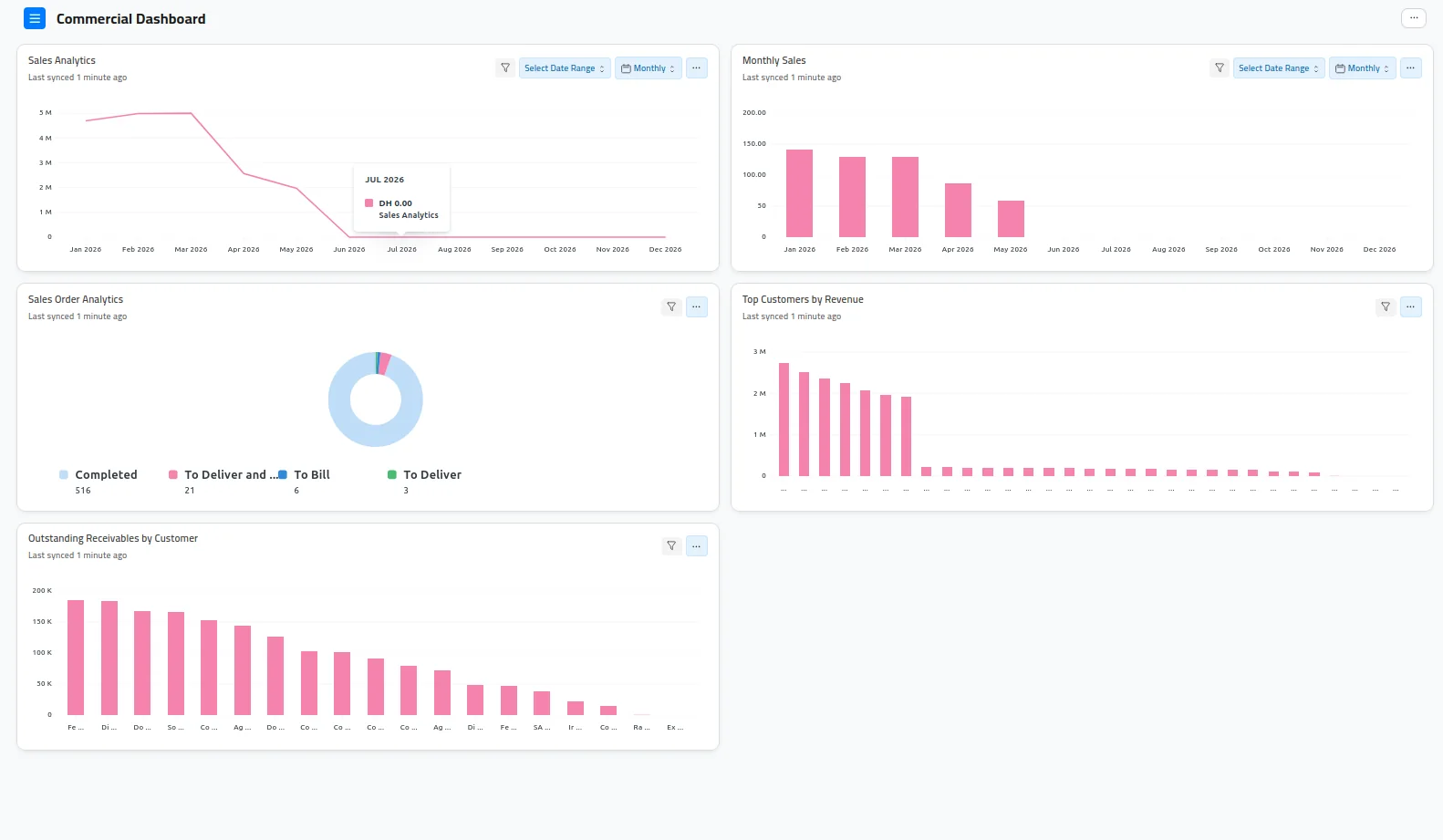
Margin is the part directors tend to notice first. Cost price and margin appear on sales documents, so the margin on an order can be read while the order is being discussed. A salesperson’s discount and its effect sit on one screen, and an approval threshold set by the company can stop a deal for review.
Who is allowed to change what?
Finance directors are right to ask, because one record used by many people can look like a risk to control. Each job sees its own screens, and the company sets the approval paths and thresholds. Every change is kept in an audit trail, which covers the correction made on a quantity as well as the one made on a price.
When your auditor or your own finance team wants to know why a stock value moved, the answer sits in the movements behind it. Nobody has to reconstruct them from the warehouse file and an old email.